Compliance

NIST Cybersecurity Framework
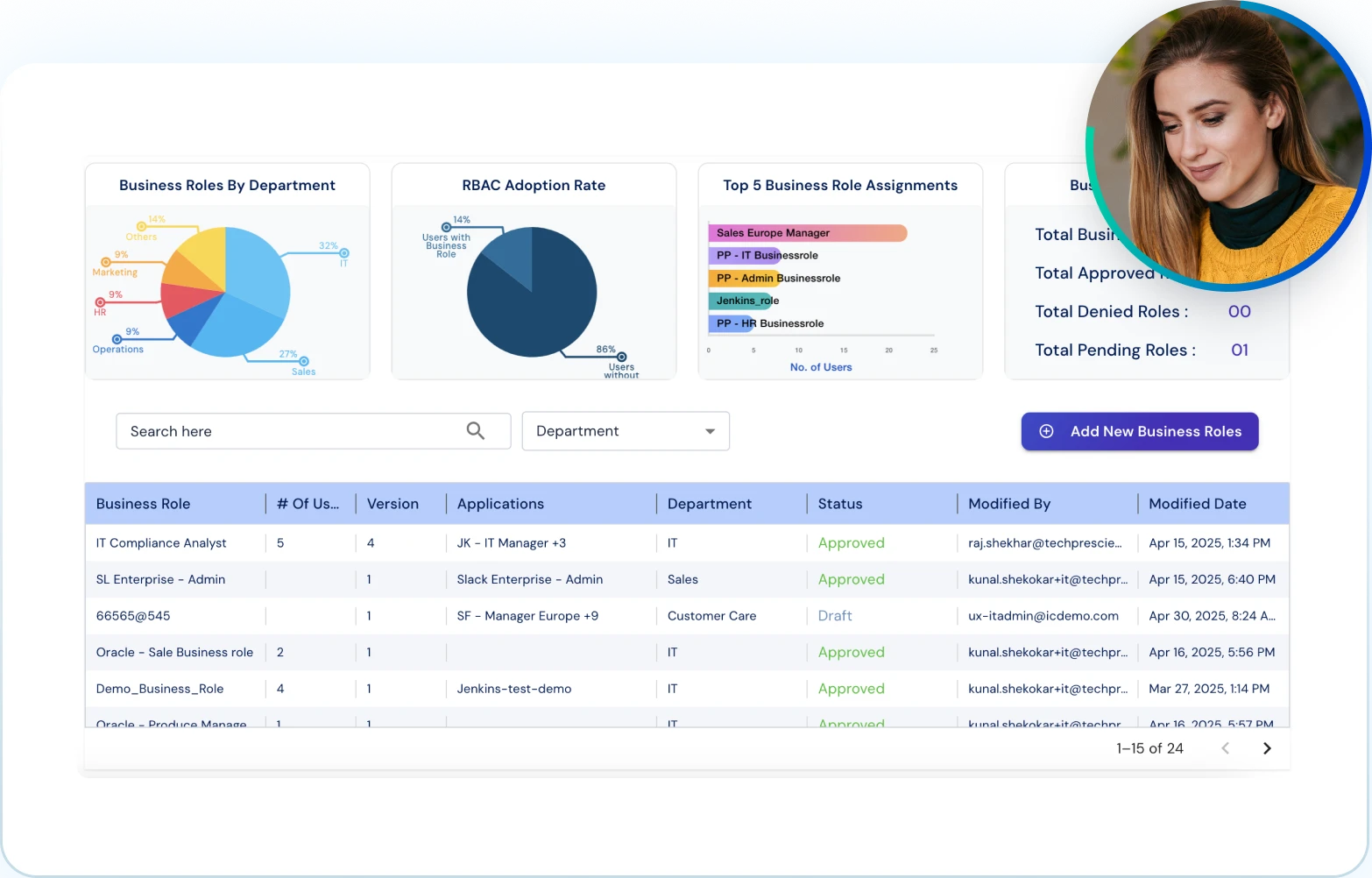
Reduce Cyber Risk with the NIST Cybersecurity Framework
Identify risks, control access, detect threats, and strengthen response and recovery with a structured, risk-based cybersecurity framework.
Trusted by











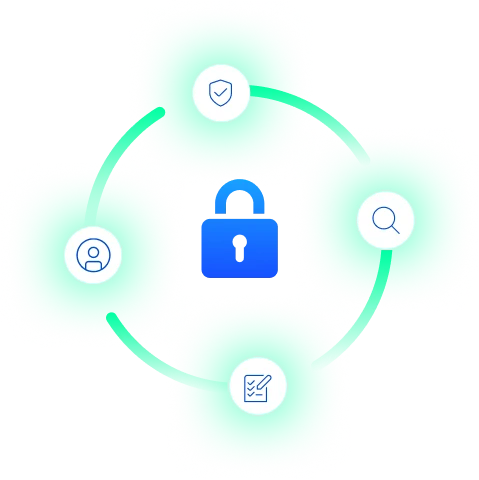
What is the NIST Cybersecurity Framework?
The NIST Cybersecurity Framework (CSF) provides a structured, risk-based approach to identifying, managing, and reducing cybersecurity risk. It helps organizations protect systems, data, and operations through defined functions, categories, and controls. It enables organizations to assess current security posture, prioritize improvements, and strengthen resilience.
Why adopt the NIST Cybersecurity Framework?
Adopting the NIST framework helps organizations manage cyber risk, improve visibility, and strengthen security controls. Without structured risk management, organizations face uncontrolled access, delayed threat detection, and weak response. The framework enables proactive defense, faster response, and improved resilience.

Lack of Risk Visibility
Identify and understand cybersecurity risks across systems and environments

Uncontrolled Access
Restrict access to systems, data, and critical infrastructure

Weak Threat Detection
Detect anomalous activity and potential threats early

Delayed Incident Response
Enable faster response to security incidents and breaches

Poor Recovery Readiness
Ensure systems and operations can recover from cyber incidents
DATASHEET
NIST Framework Implementation Guide
Get a structured approach to assess cyber risk and implement NIST-aligned controls
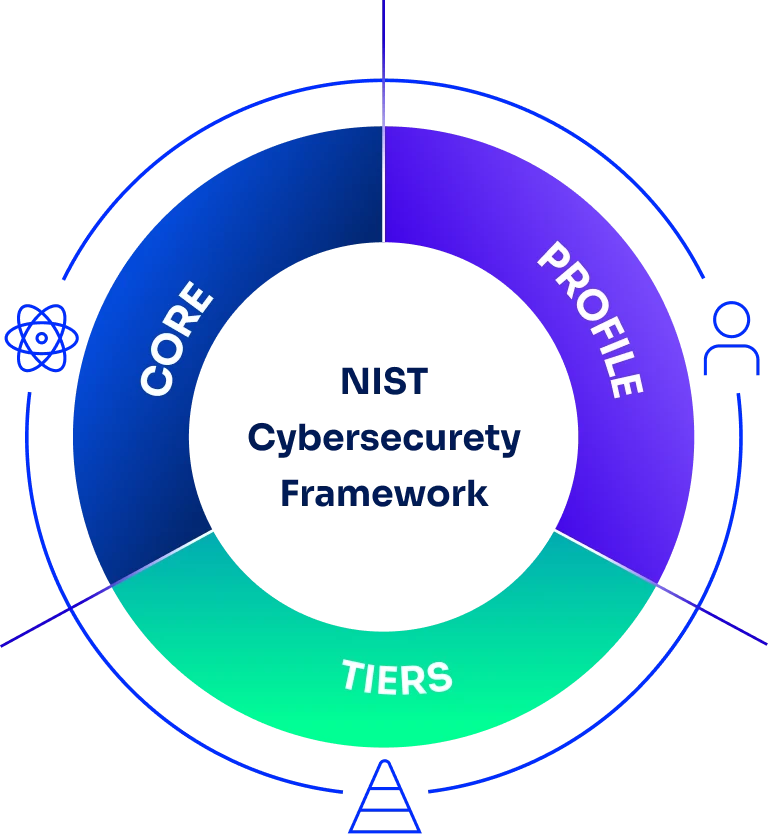
Understanding the NIST Framework Structure
The NIST Cybersecurity Framework (CSF) provides a structured, risk-based approach to identifying, managing, and reducing cybersecurity risk. It helps organizations protect systems, data, and operations through defined functions, categories, and controls. It enables organizations to assess current security posture, prioritize improvements, and strengthen resilience.
Framework Core: Managing Cyber Risk Outcomes
The Framework Core defines key cybersecurity activities and outcomes that align with business objectives and risk priorities. It consists of six functions- Govern, Identify, Protect, Detect, Respond, and Recover- providing a structured approach to managing threats, reducing impact, and ensuring business continuity.
Framework Core Functions: Aligning Security with Business Goals
The NIST Framework Core consists of six functions that provide a structured approach to managing cybersecurity risk. These functions are: Govern, Identify, Protect, Detect, Respond, and Recover. Each function encompasses specific categories and subcategories that help organizations understand their current cybersecurity posture, prioritize improvements, and align security activities with business objectives and risk tolerance.
Tier 1: Partial
Establish governance structures, define risk strategy, and ensure accountability for cybersecurity across the organization.
Tier 2: Risk Informed
Understand what assets, systems, identities, and data exist and assess the risks associated with them.
Tier 3: Repeatable
Implement safeguards to protect systems, data, and identities from unauthorized access.
Tier 4: Adaptive
Identify cybersecurity events and anomalies as they occur.
Framework Profiles: Aligning Security with Business Goals
Framework Profiles help organizations understand their current cybersecurity posture and define a target state aligned with business objectives and risk tolerance. By comparing current and target profiles, organizations can identify gaps, prioritize improvements, and plan investments to strengthen their cybersecurity program. Profiles enable organizations to continuously refine their security strategy based on evolving threats, regulatory requirements, and operational priorities.
How to implement the NIST Cybersecurity Framework across core functions
Categories
What it Means
Establish governance structures, define risk strategy, and ensure accountability for cybersecurity across the organization.
How to Stay Compliant
Define ownership of systems and data, enforce governance policies, and ensure accountability for access and risk management across all environments.
Categories
What it Means
Establish governance structures, define risk strategy, and ensure accountability for cybersecurity across the organization.
How to Stay Compliant
Define ownership of systems and data, enforce governance policies, and ensure accountability for access and risk management across all environments.
Categories
What it Means
Understand what assets, systems, identities, and data exist and assess the risks associated with them.
How to Stay Compliant
Maintain visibility into all users, systems, and data access. Identify hidden assets, unmanaged identities, and access risks to prioritize remediation.
Categories
What it Means
Implement safeguards to protect systems, data, and identities from unauthorized access.
How to Stay Compliant
Enforce least privilege access, control authentication, and ensure only authorized users can access sensitive systems and data.
Categories
What it Means
Identify cybersecurity events and anomalies as they occur.
How to Stay Compliant
Monitor access activity, detect unusual behavior, and identify threats early across systems and environments.
Categories
What it Means
Respond to and contain cybersecurity incidents effectively.
How to Stay Compliant
Monitor access activity, detect unusual behavior, and identify threats early across systems and environments.
Categories
What it Means
Restore systems and operations after a cybersecurity incident.
How to Stay Compliant
Ensure systems can recover quickly, maintain continuity, and improve controls based on incident learnings.


PLAYBOOK SECTION
NIST Cybersecurity Playbook
Get a structured framework to assess risk, improve security posture, and implement NIST-aligned controls.

Identify cybersecurity risks and assets
Implement access and security controls
Improve detection, response, and recovery

Disclaimer: This content is for informational purposes only and does not constitute legal advice. Organizations should evaluate their cybersecurity requirements independently when implementing the NIST Cybersecurity Framework.