Compliance

DPDP Act India
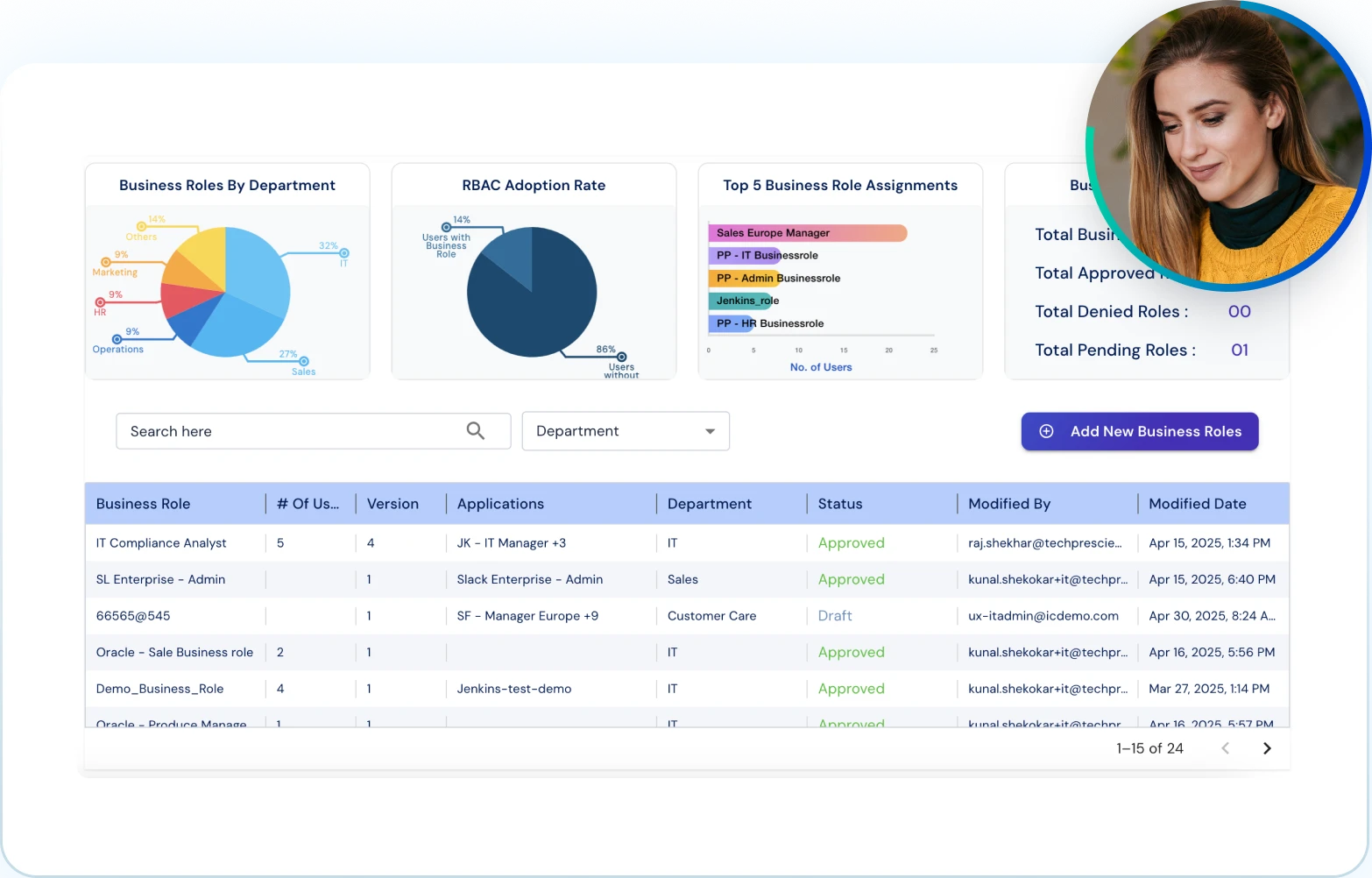
Control Personal Data Access and Achieve DPDP Compliance
Implement consent governance, control access to personal data, and maintain audit readiness to meet DPDP Act requirements.
Trusted by












What is DPDP Act Compliance?
The Digital Personal Data Protection (DPDP) Act, 2023 is India's data protection law governing how organizations collect, process, store, and use personal data of individuals (Data Principals). It mandates consent-driven processing, accountability for Data Fiduciaries, and rights such as access, correction, & erasure, helping organizations protect data, reduce risk, and avoid penalties.
Why do you need to comply with DPDP?
DPDP compliance ensures personal data is collected, processed, and accessed in a controlled manner. Without governance, organizations face limited visibility, excessive access, & audit risks. Compliance enforces consent-driven processing, protects user rights, & avoids penalties.

Consent & Access Governance
Ensure personal data is accessed only with valid consent and aligned to defined purposes.

Excessive & Unauthorized Access
Identify and limit over-privileged access to personal data across systems and applications.

Incomplete Audit & Consent Tracking
Maintain records of consent, access decisions, and activity for regulatory audits.

Uncontrolled Data Access Lifecycle
Ensure access is granted, updated, and revoked in line with user roles and data usage.

Lack of Data Visibility & Ownership
Gain visibility into who can access personal data across applications and environments.
DPDP Compliance Guide
Get a complete framework to implement consent governance, access control, and audit-ready compliance.
How Tech Prescient helps implement DPDP compliance and governance
Section 4: Lawful Processing of Personal Data
What it Means
Section 4 mandates that personal data must be processed only for lawful purposes and based on valid consent or legitimate use.
How to stay compliant
Organizations must ensure that access to personal data aligns strictly with approved use cases and purposes. Controlling who can access personal data and under what conditions helps prevent misuse and ensures processing remains lawful and compliant.
Section 4: Lawful Processing of Personal Data
What it Means
Section 4 mandates that personal data must be processed only for lawful purposes and based on valid consent or legitimate use.
How to stay compliant
Organizations must ensure that access to personal data aligns strictly with approved use cases and purposes. Controlling who can access personal data and under what conditions helps prevent misuse and ensures processing remains lawful and compliant.
Section 5: Purpose Limitation
What it Means
Section 5 requires that personal data be used only for the specific purpose for which it was collected.
How to stay compliant
Organizations must maintain clear mapping between data access and business purpose, ensuring that users and systems cannot access or use data beyond defined use cases. Enforcing purpose-based access helps prevent unauthorized data usage and supports compliance.
Section 6: Consent
What it Means
Section 6 defines consent as the primary basis for processing personal data, requiring it to be free, informed, specific, and unambiguous.
How to stay compliant
Organizations must ensure that access to personal data is aligned with recorded consent and that consent status can be validated at any time. Maintaining traceability between consent, identity, and access ensures accountability and audit readiness.
Section 7: Certain Legitimate Uses
What it Means
Section 7 allows processing without consent under specific legitimate uses such as compliance, employment, or state functions.
How to stay compliant
Organizations must enforce strict access controls to ensure that such usage is limited to authorized scenarios and roles. Visibility into who is accessing data under legitimate use ensures compliance and prevents misuse.
Section 8: General Obligations of Data Fiduciary
What it Means
Section 8 requires Data Fiduciaries to ensure data accuracy, security safeguards, and accountability in processing.
How to stay compliant
Organizations must maintain visibility into who can access personal data, enforce appropriate controls, and ensure that access aligns with defined roles and responsibilities. This supports accountability and reduces risk exposure.
Section 9: Processing of Personal Data of Children
What it Means
Section 9 mandates parental consent and stricter safeguards for processing children's personal data.
How to stay compliant
Organizations must enforce tighter access controls and monitoring when handling such data, ensuring that only authorized personnel can access it and that safeguards are consistently applied.
Section 10: Additional Obligations of Significant Data Fiduciaries
What it Means
Section 10 introduces additional requirements such as data protection impact assessments (DPIA), audits, and risk monitoring for Significant Data Fiduciaries (SDFs).
How to stay compliant
Organizations must maintain detailed visibility into data access, continuously monitor identity-related risks, and ensure audit readiness through centralized governance and reporting.
Section 11: Rights of Data Principal
What it Means
Section 11 grants individuals rights to access, correct, and erase their personal data.
How to stay compliant
Organizations must be able to identify where personal data resides and who can access it to ensure accurate and timely response to user requests. Controlled access and visibility are essential to securely fulfill these rights.
Section 12: Right to Grievance Redressal
What it Means
Section 12 requires organizations to provide mechanisms for grievance redressal.
How to stay compliant
Maintaining detailed records of data access, usage, and changes ensures organizations can investigate issues, respond to complaints, and demonstrate compliance when required.
Section 13: Duties of Data Principal
What it Means
Section 13 defines responsibilities of Data Principals, including providing accurate information and not misusing rights.
How to stay compliant
Organizations must maintain controls and monitoring to ensure data interactions are accurate and traceable, supporting both compliance and operational integrity.
Section 16–18: Breach Notification & Penalties
What it Means
These sections define penalties and obligations related to breach reporting and enforcement.
How to stay compliant
Organizations must maintain visibility into access activity and detect unauthorized access early to respond within regulatory timelines. Strong monitoring and audit trails are essential to support breach investigations and reporting.


DPDP Compliance Playbook
Get a step-by-step framework to assess identity governance gaps and implement DPDP compliance controls.

Assess personal data access and identity risks
Understand consent and governance workflows
Get tailored recommendations for compliance
Disclaimer: This content is for informational purposes only and does not constitute legal advice. Organizations should consult legal and compliance experts to interpret and implement the DPDP Act requirements specific to their business.