Compliance

GDPR
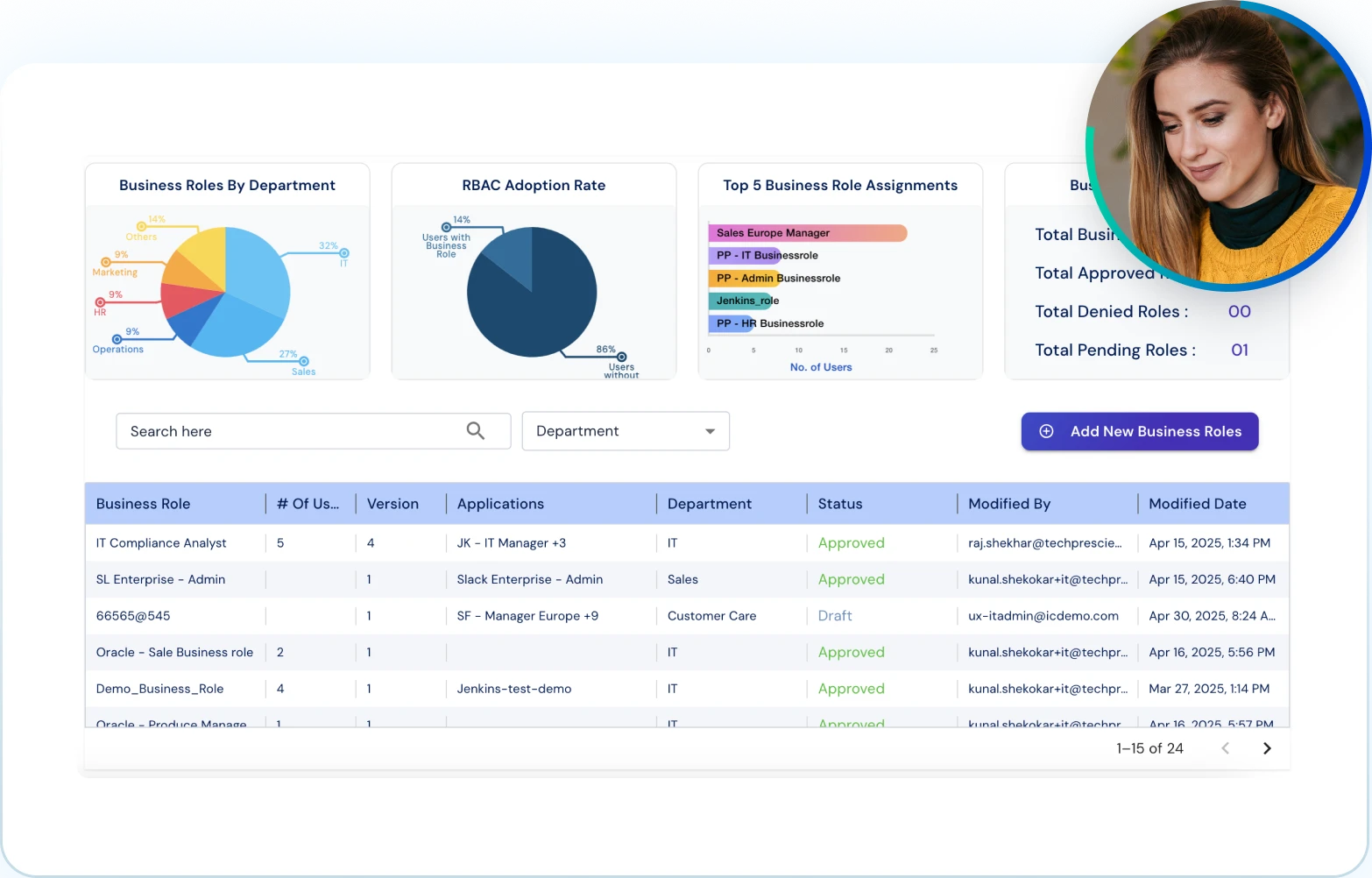
Achieve GDPR Compliance with Data Governance and Access Control
Control access to personal data, enforce GDPR principles, & maintain audit-ready compliance across systems and processing activities.
Trusted by











What is GDPR Compliance?
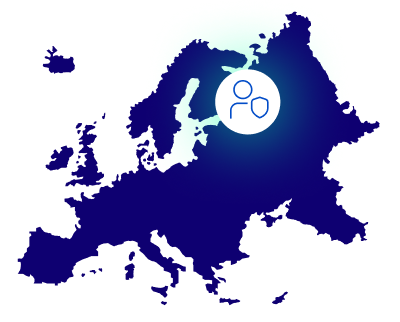
The General Data Protection Regulation (GDPR) is a European Union law that governs how organizations collect, process, store, and protect personal data of individuals (data subjects). It applies to any organization handling EU or EEA data. GDPR requires lawful processing, strong data protection controls, and accountability for how personal data is accessed, used, and managed.
Why do you need to comply with GDPR?
GDPR compliance ensures personal data is processed securely & with accountability. Without strong governance, organizations face uncontrolled access, limited visibility, and audit risks. Compliance protects data subject rights and helps avoid penalties.

Excessive & Unauthorized Access
Identify and restrict over-privileged access to personal data across systems and applications.

Lack of Processing Visibility
Gain visibility into who accesses personal data, when, and for what purpose.

Incomplete Audit & Documentation
Maintain detailed records of processing activities and access decisions.

Weak Consent & Data Controls
Ensure personal data is accessed and processed based on valid consent and defined purpose.

Poor Identity & Access Governance
Establish clear ownership and accountability for personal data access across systems.
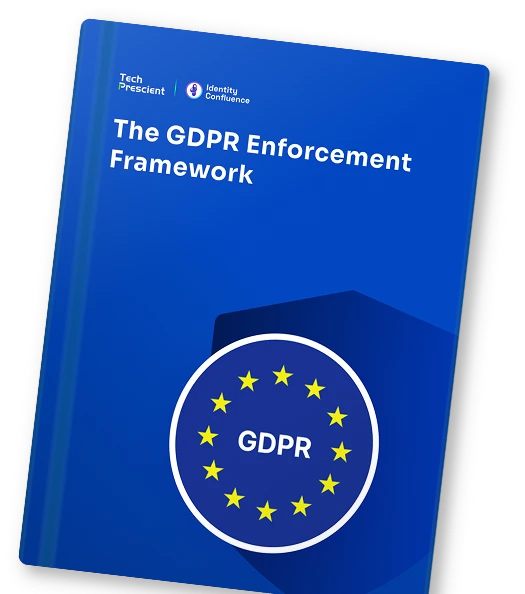
GDPR Compliance Guide
Get a practical framework to assess gaps and implement GDPR-aligned identity governance controls.
How to implement GDPR compliance across key Articles
Article 5: Principles of Processing
What it Means
Personal data must be collected for specified, explicit purposes and not used beyond those purposes. Only collect and process data that is necessary for the intended purpose. Personal data must be accurate and kept up to date. Data must be protected against unauthorized or unlawful access. Organizations must demonstrate compliance with GDPR principles.
How to stay compliant
Ensure that access to personal data is aligned with defined business purposes. Restrict access based on roles and use cases to prevent unauthorized or unrelated processing. Limit access to only relevant data required for a role or task. Avoid broad or unnecessary access permissions that increase exposure risk. Maintain controlled access to ensure only authorized updates to personal data. Track who modifies data and ensure changes are validated. Monitor access activity, detect anomalies, and enforce strong controls to prevent unauthorized access or data exposure. Maintain audit trails of access, processing, and policy enforcement to demonstrate compliance during audits.
Article 5: Principles of Processing
What it Means
Personal data must be collected for specified, explicit purposes and not used beyond those purposes. Only collect and process data that is necessary for the intended purpose. Personal data must be accurate and kept up to date. Data must be protected against unauthorized or unlawful access. Organizations must demonstrate compliance with GDPR principles.
How to stay compliant
Ensure that access to personal data is aligned with defined business purposes. Restrict access based on roles and use cases to prevent unauthorized or unrelated processing. Limit access to only relevant data required for a role or task. Avoid broad or unnecessary access permissions that increase exposure risk. Maintain controlled access to ensure only authorized updates to personal data. Track who modifies data and ensure changes are validated. Monitor access activity, detect anomalies, and enforce strong controls to prevent unauthorized access or data exposure. Maintain audit trails of access, processing, and policy enforcement to demonstrate compliance during audits.
Article 6 & 7: Lawful Processing and Consent
What it Means
Personal data must be processed based on a valid legal basis (consent, contract, legal obligation, etc.). Consent must be freely given, specific, informed, and revocable.
How to stay compliant
Ensure that access to personal data is aligned with the defined lawful basis and restricted to authorized roles. Ensure traceability between consent and data access. Validate that access aligns with active consent status.
Articles 15–17: Data Subject Rights
What it Means
Individuals can request access to their personal data and how it is processed. Individuals can request correction of inaccurate data. Individuals can request deletion of their personal data.
How to stay compliant
Maintain visibility into where personal data resides and who accesses it to respond accurately to requests. Ensure controlled and traceable updates to personal data, with clear ownership of data changes. Identify where personal data is stored and ensure access is controlled during deletion processes.
Articles 24 & 25: Accountability and Data Protection
What it Means
Organizations must implement measures to ensure GDPR compliance. Systems must be designed to protect personal data by default.
How to stay compliant
Maintain centralized visibility into access and enforce consistent policies across systems to demonstrate control. Ensure that access is restricted by default and only granted when necessary, following least privilege principles.
Article 30: Records of Processing
What it Means
Organizations must maintain records of processing activities, including purpose, data categories, and access.
How to stay compliant
Track access activity and maintain records of who accessed data, when, and for what purpose to support audit requirements.
Article 32: Security of Processing
What it Means
Ensure personal data is protected through appropriate security measures. Ensure data is accurate and available when needed. Protect against risks such as data loss, alteration, or unauthorized disclosure. Ensure only authorized individuals can access personal data.
How to stay compliant
Restrict access to authorized users and enforce secure handling of personal data across systems. Monitor access and changes to personal data to maintain integrity and availability. Continuously monitor access and detect risky behavior or anomalies to reduce exposure. Implement strict identity-based access control aligned with roles and responsibilities.
Article 33: Breach Notification
What it Means
Organizations must report data breaches within 72 hours.
How to stay compliant
Maintain visibility into access activity to detect breaches early and support timely reporting.
Article 35: Data Protection Impact Assessment
What it Means
Organizations must assess risks associated with data processing.
How to stay compliant
Identify high-risk access patterns and evaluate exposure across systems to support DPIA requirements.


GDPR Compliance Playbook
Get a step-by-step framework to assess identity governance gaps and implement GDPR compliance controls.

Identify personal data access risks
Map identities to data access and processing
Strengthen audit readiness and accountability
Disclaimer: This content is for informational purposes only and does not constitute legal advice. Organizations should consult legal and compliance experts to interpret and implement GDPR requirements specific to their business.