Compliance

ISO 27001
Achieve ISO 27001 Compliance with Access and Risk Control
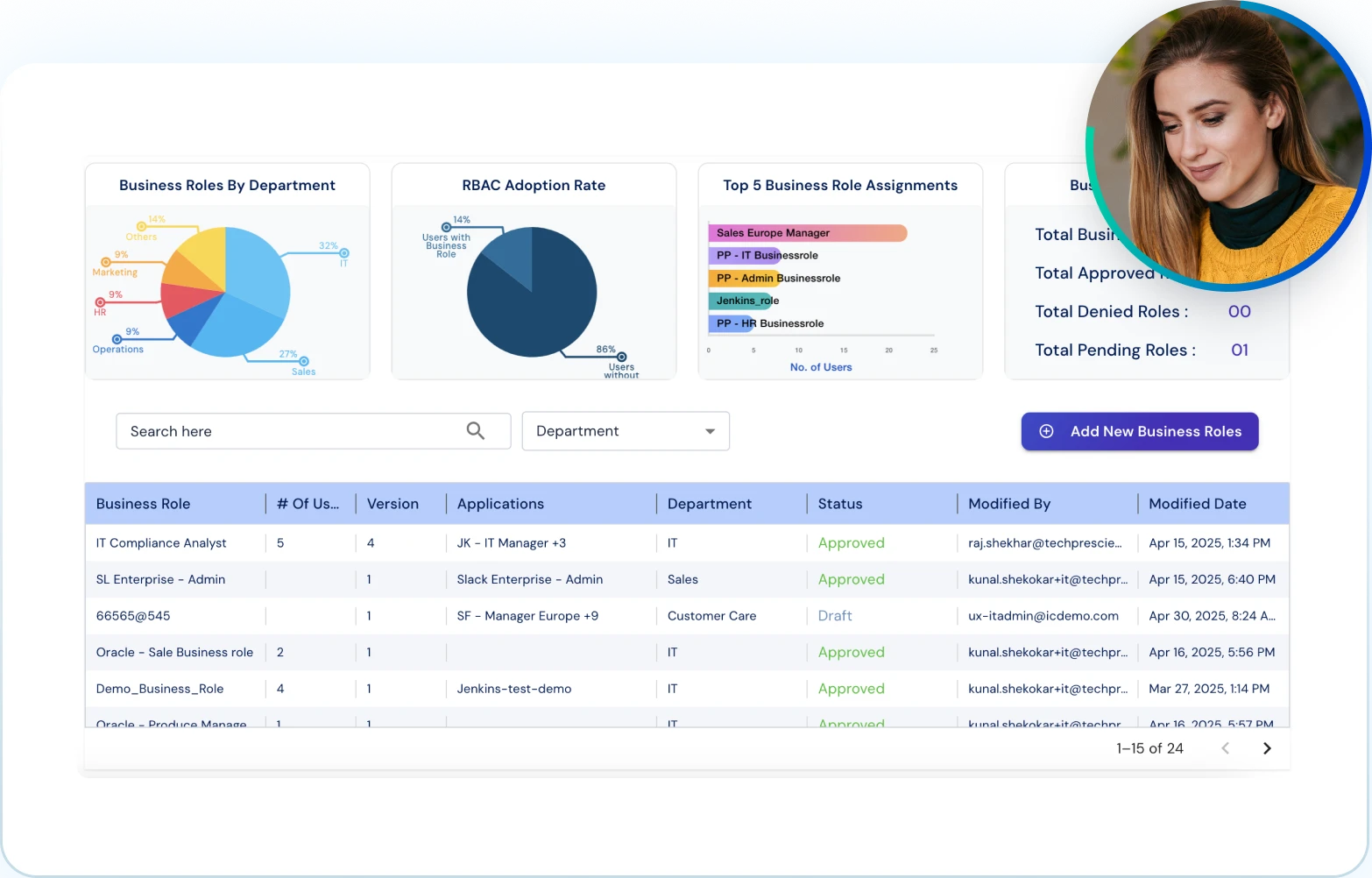
Strengthen your ISMS, control access to sensitive data, and maintain audit-ready compliance with ISO 27001 requirements.
Trusted by











What is ISO/IEC 27001 Compliance?
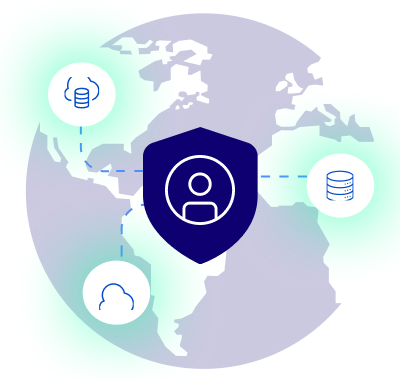
ISO/IEC 27001 is an international standard for establishing, implementing, and maintaining an Information Security Management System (ISMS). It provides a risk-based framework to protect sensitive information, including PII and business data. Organizations must identify risks, implement controls, and demonstrate ongoing security governance to achieve and maintain ISO 27001 certification.
Why should you comply with ISO 27001?
ISO 27001 compliance helps organizations identify risks, enforce security controls, and protect sensitive data. Without structured governance, organizations face weak access control, limited visibility, and audit challenges. Compliance strengthens security posture, builds customer trust, and supports certification.

Uncontrolled Access to Sensitive Data
Restrict and monitor access to critical systems and information assets.

Lack of Risk Visibility
Identify access risks and security gaps across systems and environments.

Weak Audit and Documentation
Maintain records of access, controls, and security activities for audits.

Inconsistent Security Controls
Ensure policies and controls are enforced consistently across systems.

Ineffective Identity Governance
Establish clear ownership, accountability, and access control across users and systems.
ISO 27001 Compliance Guide
Get a step-by-step framework to assess gaps and implement ISO 27001-aligned controls.
How to implement ISO 27001 compliance across key clauses
Clause 4: Context of the Organization
What it Means
Organizations must define the scope of the ISMS, identify stakeholders, and understand risks impacting information security.
How to stay compliant
Maintain visibility into systems, users, and data access across environments to define scope and identify risks affecting sensitive information.
Clause 4: Context of the Organization
What it Means
Organizations must define the scope of the ISMS, identify stakeholders, and understand risks impacting information security.
How to stay compliant
Maintain visibility into systems, users, and data access across environments to define scope and identify risks affecting sensitive information.
Clause 5: Leadership
What it Means
Leadership must establish policies, assign responsibilities, and ensure accountability for information security.
How to stay compliant
Ensure clear ownership of access and data, with defined responsibilities for managing and monitoring access across systems.
Clause 6: Planning
What it Means
Organizations must assess risks and define a risk treatment plan.
How to stay compliant
Identify access-related risks, evaluate exposure, and implement controls to reduce risk across systems and applications.
Clause 7: Support
What it Means
Organizations must ensure resources, awareness, and documentation for ISMS.
How to stay compliant
Maintain documentation of access controls, policies, and activity logs to support audits and demonstrate compliance.
Clause 8: Operation
What it Means
Organizations must implement and manage risk treatment processes.
How to stay compliant
Enforce access control policies and monitor activity to ensure secure operations across systems handling sensitive data.
Clause 9: Performance Evaluation
What it Means
Organizations must monitor, audit, and evaluate ISMS effectiveness.
How to stay compliant
Track access activity, conduct regular reviews, and maintain audit records to evaluate control effectiveness.
Clause 10: Improvement
What it Means
Organizations must address non-conformities and continuously improve the ISMS.
How to stay compliant
Identify access risks and anomalies, remediate issues, and improve controls to strengthen security posture over time.
Annex A Controls: Access and Security
What it Means
Annex A defines controls across organizational, people, physical, and technological domains.
How to stay compliant
Implement access control, identity governance, and monitoring across systems to reduce risk, protect data, and support certification requirements.


ISO 27001 Compliance Playbook
Build a structured approach to assess risks, implement controls, and prepare for ISO 27001 certification.

Identify access and security risks
Implement ISMS-aligned controls
Maintain audit readiness
Disclaimer: This content is for informational purposes only and does not constitute legal advice. Organizations should consult compliance and security experts when implementing ISO 27001 requirements.