Compliance

PCI DSS
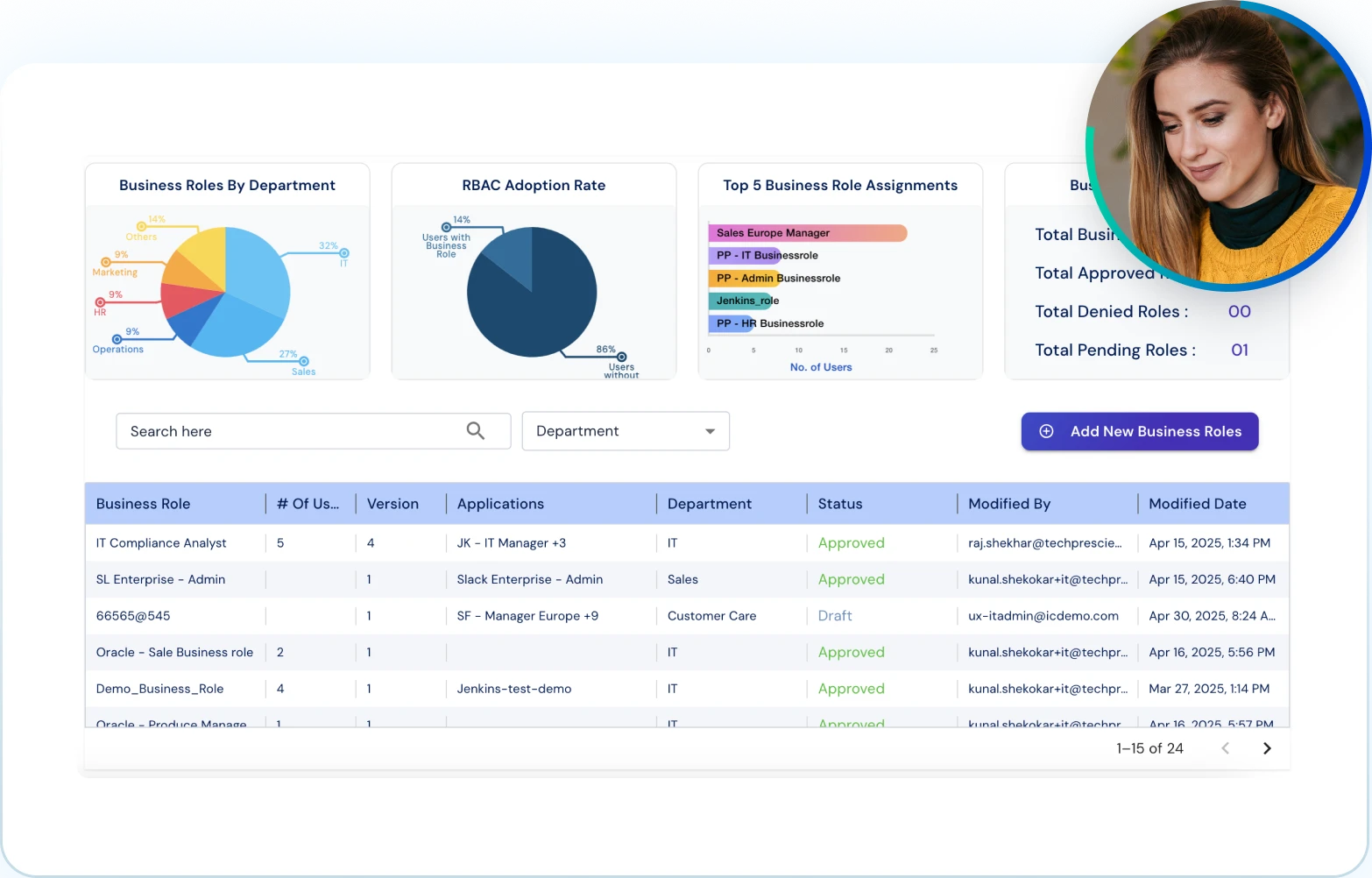
Strengthen PCI DSS Compliance with Access and Control
Protect cardholder data, enforce strict access controls, and maintain audit readiness across systems handling payment information.
Trusted by











What is PCI DSS Compliance?
PCI DSS (Payment Card Industry Data Security Standard) defines 12 security requirements to protect cardholder data. It applies to any organization that stores, processes, or transmits payment card information. The standard mandates strong access control, monitoring, and data protection. Organizations must maintain audit trails, enforce security controls, and demonstrate compliance through assessments and continuous monitoring.
Why is PCI DSS compliance critical?
PCI DSS compliance protects cardholder data and reduces breach risk. Without proper controls, organizations face unauthorized access, weak monitoring, and audit failures. Compliance ensures strong access control, audit visibility, and secure payment processing.

Weak Access Controls
Unrestricted access increases risk to cardholder data.

Lack of Audit Trails
Inability to track access and system activity.

Poor Monitoring
Delayed detection of suspicious or unauthorized actions.

Exposed Credentials
Unsecured access to systems handling payment data.

Compliance Gaps
Failure to meet PCI audit and validation requirements.
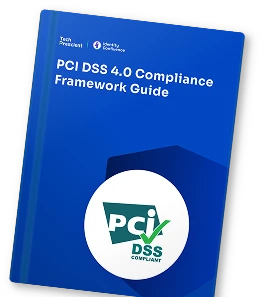
PCI DSS Compliance Guide
Get a structured approach to secure cardholder data and meet PCI DSS requirements.
How to meet PCI DSS requirements across all 12 security controls
Build and Maintain a Secure Network
What it Means
Protect cardholder data environments with controlled network boundaries. Remove default credentials and enforce secure configurations.
How to stay compliant
Ensure access to payment systems is restricted through controlled network access. Maintain visibility into who can access systems within the cardholder data environment. Ensure all access is uniquely assigned and controlled. Avoid shared or default credentials and maintain traceability of access to systems handling cardholder data.
Build and Maintain a Secure Network
What it Means
Protect cardholder data environments with controlled network boundaries. Remove default credentials and enforce secure configurations.
How to stay compliant
Ensure access to payment systems is restricted through controlled network access. Maintain visibility into who can access systems within the cardholder data environment. Ensure all access is uniquely assigned and controlled. Avoid shared or default credentials and maintain traceability of access to systems handling cardholder data.
Protect Cardholder Data
What it Means
Limit access to stored payment data and ensure it is protected. Secure transmission of cardholder data across networks.
How to stay compliant
Restrict access to sensitive data based on roles. Maintain records of who accessed cardholder data and ensure access is justified and controlled. Ensure only authorized identities can access systems transmitting data. Maintain visibility and logs of access and usage.
Maintain a Vulnerability Management Program
What it Means
Ensure systems are protected against malicious access or compromise. Ensure systems are securely configured and updated.
How to stay compliant
Restrict access to systems and monitor activity to detect unauthorized or risky behavior that could lead to compromise. Control who can access and modify systems. Maintain logs of system access and changes impacting cardholder data environments.
Implement Strong Access Control Measures
What it Means
Access must be limited to only what is necessary. Each user must have a unique identity. Limit physical access to systems storing cardholder data.
How to stay compliant
Ensure access is role-based and justified. Maintain clear records of access decisions and enforce least privilege across systems. Ensure every user has a unique identity and access is traceable. Maintain logs of authentication and access activity. Ensure access to systems is controlled and monitored. Maintain accountability for who can access systems and when.
Monitor and Test Networks
What it Means
Maintain logs of all access to systems and data. Continuously test systems and controls.
How to stay compliant
Maintain centralized audit trails of access, approvals, and activity. Ensure logs are complete and retrievable for audits. Validate access controls regularly through reviews and monitoring. Ensure access remains appropriate over time.
Maintain an Information Security Policy
What it Means
Define and enforce security policies across the organization.
How to stay compliant
Ensure access policies are clearly defined, enforced, and consistently applied. Maintain documentation and evidence of policy enforcement.


PCI DSS Compliance Playbook
Build a structured approach to secure payment systems and maintain compliance.

Identify systems handling cardholder data
Enforce strong access controls and monitoring
Maintain audit-ready logs and evidence
Disclaimer: This content is for informational purposes only and does not constitute legal or compliance advice. Organizations should consult PCI DSS experts for implementation.