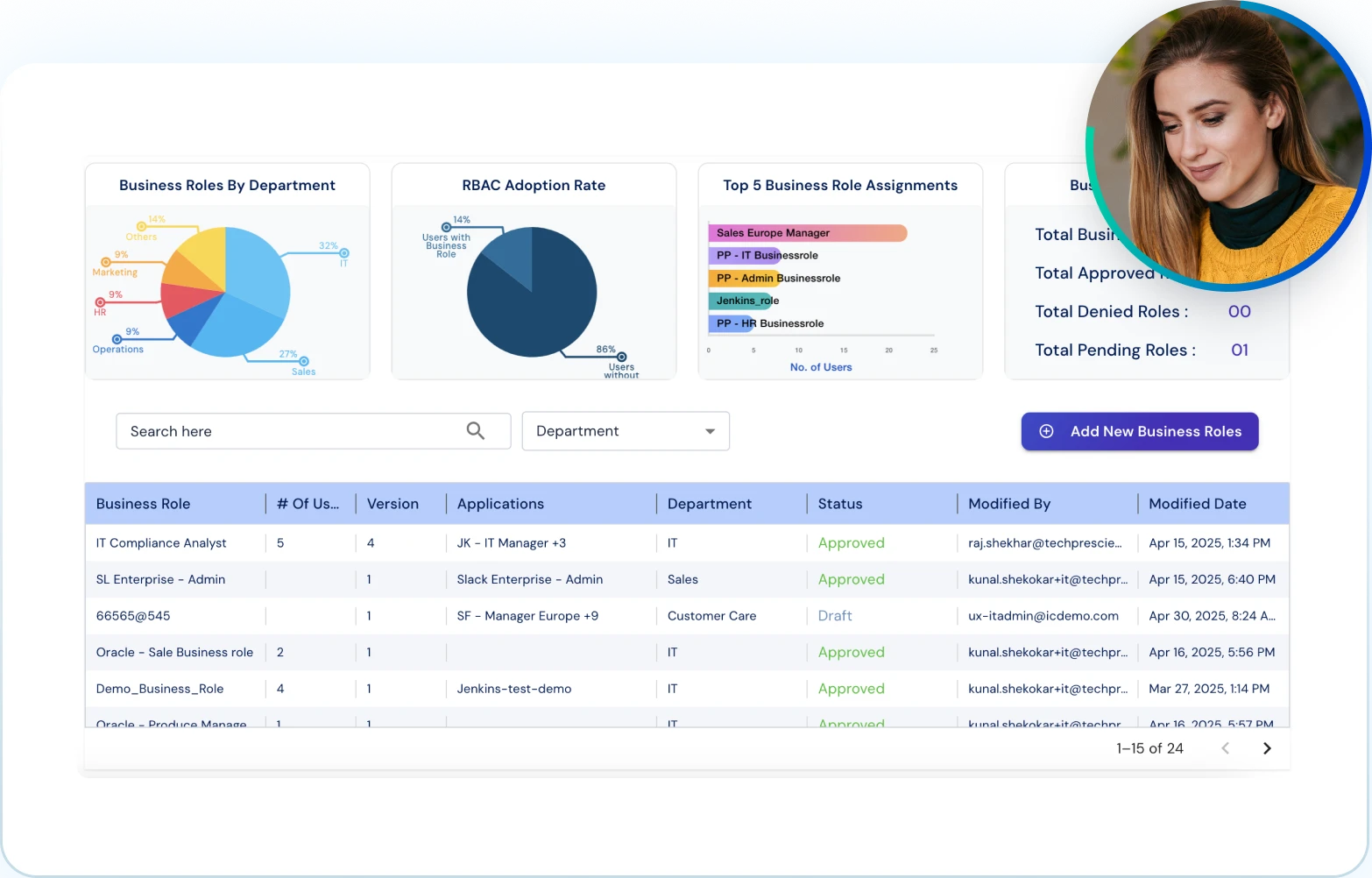
Compliance

RBI IT Framework

Strengthen RBI Compliance with Secure IT Governance and Control
Control access, manage cyber risk, and maintain continuous monitoring to meet RBI IT Governance and Cybersecurity requirements.
Trusted by












What is RBI IT Framework Compliance?
The RBI IT Framework defines cybersecurity, governance, and risk management requirements for banks, NBFCs, and financial institutions in India. It mandates board-approved policies, continuous monitoring, data protection, and incident response readiness. Organizations must implement controls, manage risks, and maintain resilience aligned with RBI's Master Direction.
Why is RBI IT compliance critical?
RBI compliance ensures financial systems are secure, resilient, & auditable. Without it, organizations face regulatory penalties, weak oversight, & operational risk. Compliance strengthens governance, ensures timely incident response, & maintains trust.

Weak Governance
Lack of oversight increases cyber and operational risk.

Poor Access Control
Uncontrolled access impacts critical financial systems.

Limited Monitoring
Delayed detection of threats and system misuse.

Third-Party Risk
Vendors introduce security and compliance gaps.

Audit Gaps
Inability to demonstrate compliance to RBI.
RBI Compliance Guide
Get a structured approach to meet RBI IT and cybersecurity requirements.
How to meet RBI IT Framework requirements and ensure compliance
Key Requirements
What this requires
Organizations must establish governance structures with board-level oversight and clearly defined responsibilities.
What must be in place?
How to stay compliant
Ensure all access and control decisions are governed and documented. Maintain visibility into access ownership, approvals, and control accountability to support regulatory oversight.
Key Requirements
What this requires
Organizations must establish governance structures with board-level oversight and clearly defined responsibilities.
What must be in place?
How to stay compliant
Ensure all access and control decisions are governed and documented. Maintain visibility into access ownership, approvals, and control accountability to support regulatory oversight.
Key Requirements
What this requires
Organizations must continuously monitor systems and detect suspicious activity across their IT environment.
What must be in place?
How to stay compliant
Maintain continuous visibility into system access and activity. Ensure all actions are logged, monitored, and analyzed to detect anomalies and respond quickly.
Key Requirements
What this requires
Organizations must be prepared to detect, respond to, and report cybersecurity incidents quickly.
What must be in place?
How to stay compliant
Ensure access activity and system events are continuously monitored. Maintain logs and evidence to detect incidents early and support timely reporting.
Key Requirements
What this requires
Organizations must identify and manage all IT assets handling financial data.
What must be in place?
How to stay compliant
Maintain visibility into all systems and identities accessing them. Ensure access is aligned with asset criticality and continuously monitored.
Key Requirements
What this requires
Access to systems and data must be controlled, justified, and auditable.
What must be in place?
How to stay compliant
Ensure all access is role-based, approved, and traceable. Maintain records of access requests, approvals, and changes to demonstrate control and accountability.
Key Requirements
What this requires
Organizations must manage risks introduced by vendors and external partners.
What must be in place?
How to stay compliant
Ensure third-party access is controlled and monitored. Maintain visibility into vendor access and enforce consistent governance across internal and external users.
Key Requirements
What this requires
Organizations must ensure systems remain available and resilient.
What must be in place?
How to stay compliant
Ensure access to critical systems is controlled and monitored to prevent disruptions. Maintain logs and evidence supporting operational continuity and resilience.


RBI Compliance Playbook
Build a structured approach to meet RBI IT and cybersecurity requirements.

Identify risks and critical systems
Implement governance and access controls
Maintain monitoring and audit readiness
Disclaimer: This content is for informational purposes only and does not constitute regulatory advice. Organizations should consult RBI compliance experts for implementation.