Compliance

SOC 1
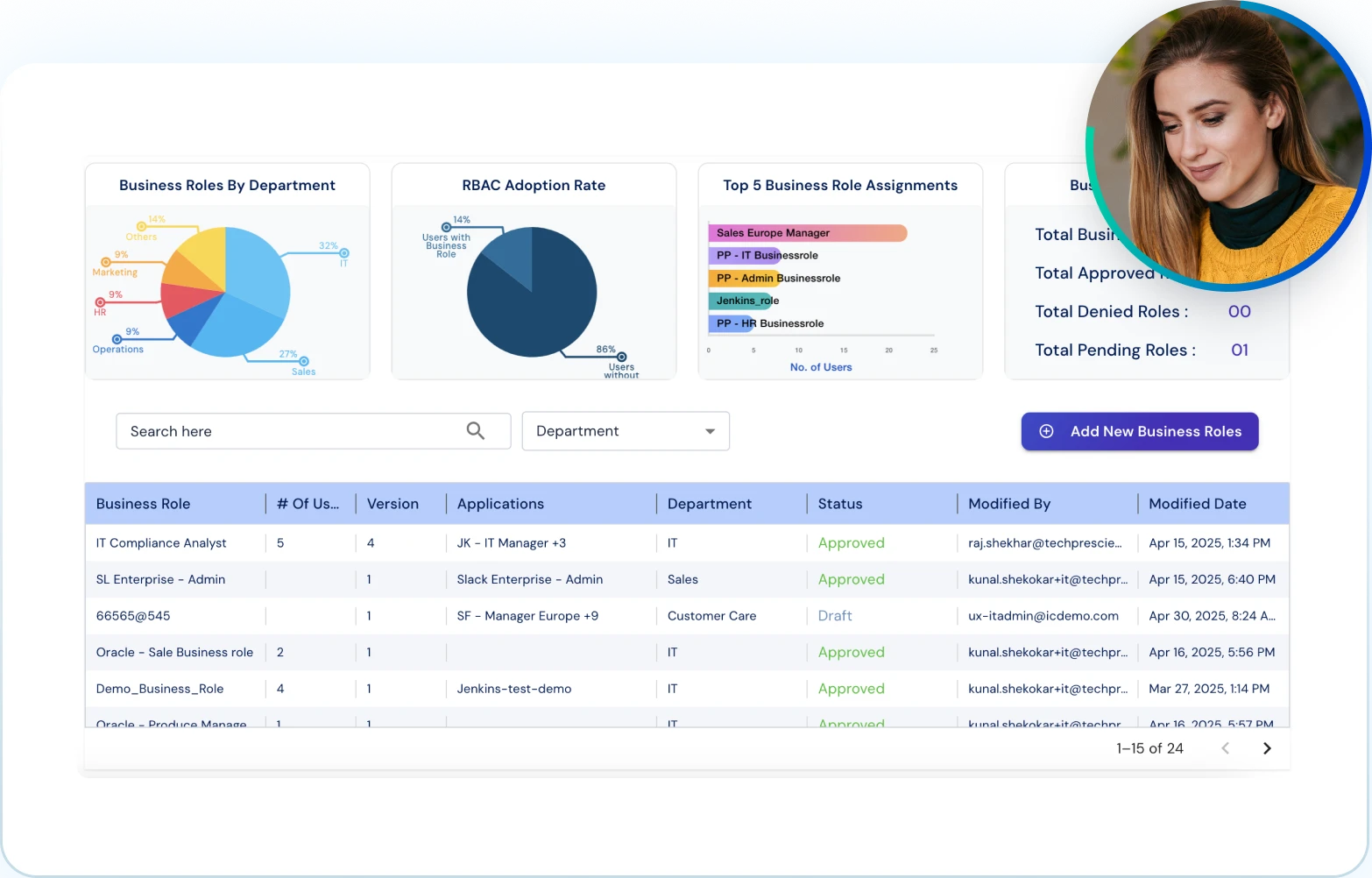
Strengthen SOC 1 Compliance with Access and Audit Control
Maintain audit-ready access records, enforce internal controls, & ensure accountability across systems supporting financial reporting.
Trusted by











What is SOC 1 Compliance?
SOC 1 (System and Organization Controls 1) evaluates internal controls over financial reporting (ICFR). It focuses on how access, processes, & systems impacting financial data are managed. Audits assess whether controls are properly designed & operating effectively, requiring organizations to maintain evidence, traceability, and accountability for all access & control activities.
Why is SOC 1 compliance important?
SOC 1 compliance ensures internal controls over financial reporting are effective & auditable. Without governance, organizations face incomplete records, weak access control, & audit delays. Compliance helps maintain evidence, justify access, & support successful audits.

Lack of Access Evidence
Maintain clear records of who accessed financial systems and why.

Incomplete Audit Trails
Ensure all access and control activities are logged and traceable.

Weak Internal Controls
Enforce consistent access and control policies across systems.

Manual Certification Processes
Reduce delays in validating access and approvals.

Limited Accountability
Establish ownership and responsibility for access decisions.
SOC 1 Compliance Guide
Get a structured approach to strengthen internal controls and maintain audit-ready access governance.
How to implement SOC 1 compliance across key control areas
What must be in place?
What it Means
The control environment defines the foundation of internal controls. Auditors evaluate whether governance structures, policies, and accountability mechanisms are clearly established and consistently enforced across systems impacting financial reporting.
How to stay compliant
Establish formal ownership for all systems and access decisions. Maintain documented policies and ensure every access approval, modification, or revocation is tied to a responsible individual with traceable justification.
What must be in place?
What it Means
The control environment defines the foundation of internal controls. Auditors evaluate whether governance structures, policies, and accountability mechanisms are clearly established and consistently enforced across systems impacting financial reporting.
How to stay compliant
Establish formal ownership for all systems and access decisions. Maintain documented policies and ensure every access approval, modification, or revocation is tied to a responsible individual with traceable justification.
What must be in place?
What it Means
Organizations must identify and assess risks that could impact financial reporting, including unauthorized access, excessive permissions, or lack of visibility into critical systems.
How to stay compliant
Continuously assess who has access to financial systems and whether that access is appropriate. Identify excessive or outdated permissions and maintain documented evidence of risk evaluation and remediation actions.
What must be in place?
What it Means
Control activities ensure that access and system changes are properly authorized, documented, and aligned with internal policies. Auditors verify that controls are consistently applied and not bypassed.
How to stay compliant
Ensure every access request is approved through a defined process and recorded with justification. Maintain logs of approvals and enforce consistent control application across all financial systems.
What must be in place?
What it Means
Organizations must maintain accurate, complete, and accessible records of all control activities. Auditors rely heavily on this documentation to validate compliance.
How to stay compliant
Maintain a complete and centralized record of all access-related activities, including who requested access, who approved it, and when it was granted or removed. Ensure this information is easily retrievable during audits.
What must be in place?
What it Means
Controls must be continuously monitored to ensure they are functioning as intended. Auditors assess whether organizations regularly review and validate access and control effectiveness.
How to stay compliant
Conduct regular access reviews to validate that permissions remain appropriate. Document review outcomes, approvals, and remediation actions to demonstrate continuous control effectiveness.
What must be in place?
What it Means
SOC 1 Type I evaluates control design at a specific point in time, while Type II evaluates whether controls operate effectively over a defined period.
How to stay compliant
Ensure controls are not only defined but consistently executed over time. Maintain historical evidence of access decisions, approvals, and reviews to support audit validation across reporting periods.


SOC 1 Compliance Playbook
Get a step-by-step framework to strengthen internal controls and prepare for SOC 1 audits.

Identify control gaps in financial systems
Strengthen access governance and approvals
Maintain audit-ready evidence and documentation
Disclaimer: This content is for informational purposes only and does not constitute legal or audit advice. Organizations should consult audit and compliance experts when preparing for SOC 1 certification.