




On this page
See Tech Prescient in Action
Automate access, reduce risk, and stay audit-ready
Compliance automation tools help organizations continuously monitor security controls, automatically collect audit evidence, and stay audit-ready for frameworks like SOC 2, HIPAA, ISO 27001, PCI-DSS, and GDPR. Instead of scrambling before audits, teams use automation to maintain real-time compliance visibility and reduce manual effort.
Compliance is no longer a once-a-year audit event; it's a continuous operational requirement. Modern compliance automation platforms replace spreadsheets and manual evidence gathering with real-time monitoring, automated control testing, and always-on audit readiness.
These platforms continuously test controls, collect evidence from source systems via API, and generate audit-ready reports across multiple regulatory frameworks.
Choosing the right compliance automation platform is critical; the vendor landscape is overwhelming with vague ROI promises and solutions that fail in reality. We evaluated 10 leading platforms based on what actually matters: speed to deployment, true automation depth versus manual work, ease of use, and real outcomes. Calculate your compliance ROI to see potential cost savings and timeline reductions. This guide helps CISOs, compliance leads, and security teams find the best fit for your scale, regulatory requirements, and budget through detailed comparisons and a clear decision framework.
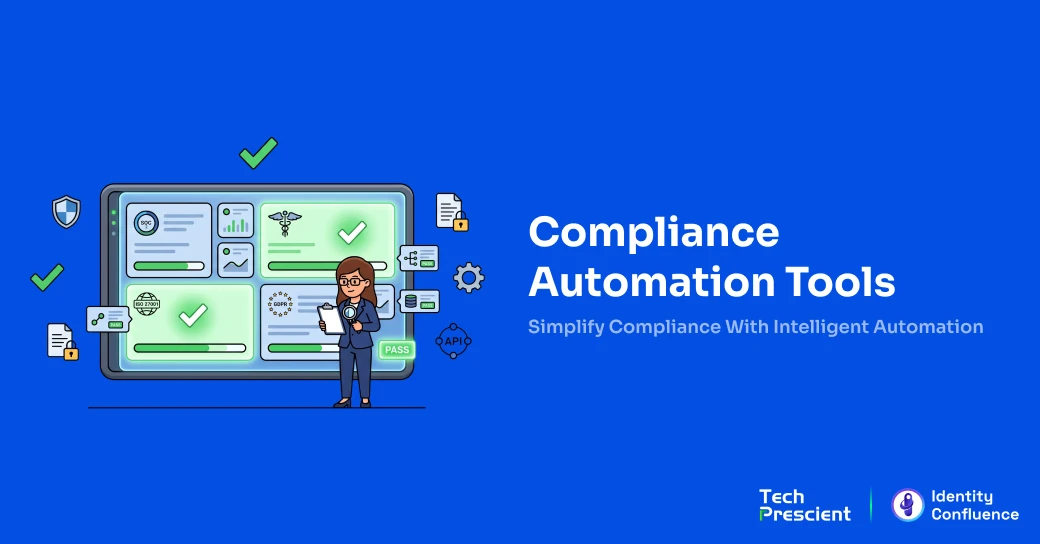
How We Evaluated These Compliance Automation Tools
To ensure fairness and objectivity, we evaluated each platform using five consistent criteria:
- Automation Depth (true automation vs. manual workflows)
- Time to Audit Readiness
- Framework Coverage & Cross-Mapping
- Integration Ecosystem & API Support
- Total Cost of Ownership (including hidden implementation costs)
We also analyzed verified G2 reviews, publicly available implementation case studies, and vendor documentation to assess real-world deployment timelines and operational impact.
10 Best Compliance Automation Tools in 2026
The best compliance automation tools in 2026 range from startup-friendly SOC 2 accelerators to enterprise-grade GRC ecosystems. Your ideal platform depends on regulatory complexity, deployment urgency, infrastructure maturity, and budget constraints.
These platforms range from lightweight solutions for startups to enterprise suites for global organizations; choose based on your regulatory requirements and implementation timeline. Each compliance automation tool has distinct strengths; your choice depends on what regulatory pressure you face and how quickly you need to move.
Identity Confluence: Best for organizations needing rapid compliance readiness without replacing IAM
Identity Confluence by Tech Prescient takes a different approach to compliance. Rather than treating audits as an annual event that requires scrambling to gather evidence, it positions identity governance as the foundation of continuous compliance. Access decisions are policy-driven and auditable by design, making compliance readiness a constant state, not a crisis event.
Key Features
- Automated joiner-mover-leaver orchestration triggering access changes within minutes of HR events
- Policy-driven lifecycle automation; role, department, and employment status determine access
- 250+ pre-built integrations with enterprise SaaS, identity providers, and on-premise applications
- Real-time access updates eliminate days-long provisioning delays
- Complex lifecycle scenarios: temporary access, just-in-time privilege escalation, rehires
- Unified human and non-human identity governance, eliminating privilege sprawl
- AI-assisted access reviews surfacing high-risk access for prioritized review
- Built-in audit trails and evidence collection for SOX, GDPR, HIPAA, ISO 27001, SOC 2, PCI-DSS
- Segregation of Duties policy enforcement, preventing conflicting permissions
Pros
- Complete lifecycle automation covering ongoing access changes, reviews, and governance
- Works alongside existing identity infrastructure; no rip-and-replace required
- Clear separation between lifecycle logic and individual application workflows; infrastructure changes don't require redefining policies
- Unified human and non-human identity governance is a rare capability, as most competitors handle service accounts separately
- Fastest time-to-value: Day 1 onboarding within 30 minutes, full implementation in 2-4 weeks
- AI-assisted reviews significantly reduce manual certification effort
- Modern interface enabling business users to configure policies without IT training
- Consistent policy enforcement across complex role structures and access change patterns
Cons
- Most valuable in organizations with mature identity foundations; requires baseline infrastructure investment
- Effectiveness depends on upfront policy definition; it requires planning to map role hierarchies and lifecycle scenarios
- A smaller installed base means less public proof of scale in Fortune 500 environments, which some large enterprises require before committing
- Complex ERP integrations (SAP, Oracle) may require custom connectors
- Advanced analytics and risk scoring capabilities are under active development; current implementation focuses on core lifecycle automation
Best For
- Mid-to-large enterprises (500-5,000 employees) with complex joiner-mover-leaver requirements
- Organizations seeking centralized lifecycle governance without rebuilding the entire IAM stack
- Teams prioritizing consistency and audit-ready controls as a competitive advantage
- Companies managing service accounts and non-human identities alongside human access governance
- Organizations needing rapid compliance readiness without 12-18 month implementations
Implementation Timeline: 2-4 weeks for full deployment in typical mid-market organizations.
Vanta: The Fastest Path to SOC 2 Readiness
If your only goal is reaching SOC 2 audit readiness as fast as possible, Vanta exists for you.
This platform automates compliance monitoring with continuous control testing, evidence collection, and compliance documentation. It comes pre-configured with 1,200+ automated hourly control tests and maintains 375+ integrations across cloud providers, identity systems, and security tools.
Organizations using Vanta report reaching SOC 2 audit readiness in days, not weeks.
Pros
- Fastest path from zero to audit-ready; organizations report audit readiness in days (for real)
- The largest integration ecosystem eliminates custom connector development with 375+ pre-built connections
- Clean interface with intelligent remediation guidance: you understand what failed and how to fix it
- Exceptional onboarding; new users begin seeing compliance status within hours
- Strong for startups prioritizing speed over deep customization
- Excellent for multi-cloud environments (AWS, Azure, GCP native support)
Cons
- Less customizable than GRC-focused platforms; designed for organizations with standard compliance needs
- Fine-grained compliance requirements may require workarounds; custom frameworks need adaptation
- Lower-priced plans have limited framework coverage; multi-framework requirements push to higher tiers
- Support is heavily self-service at the base tier; live support requires higher-tier subscriptions
Best For
- Startups and fast-growing companies are prioritizing speed to SOC 2 readiness
- Teams with standard compliance needs and a limited budget for custom features
Fast audit readiness doesn't always mean a mature compliance infrastructure.
Many organizations achieve certification quickly but struggle with long-term access governance and audit sustainability.
Drata: Auditor-Built Compliance for Custom Control Testing
Drata gets compliance because the founders actually did compliance audits.
This GRC platform combines continuous control monitoring with audit-ready evidence collection and supports adaptive automation, a no-code custom test builder enabling organizations to create compliance tests for non-standard controls without developer involvement. Define your test. The platform runs it continuously. Evidence is collected automatically.
Pros
- G2 users rate it 4.8/5 based on 1,104 verified reviews
- A no-code interface allows business users to build custom tests without developer involvement
- Excellent for complex, multi-framework compliance requirements; simultaneous SOC 2 + HIPAA + ISO 27001 coverage
- FedRAMP-ready offering for government contracting and federal compliance
- The built-in audit portal streamlines auditor communication and evidence sharing
Cons
- Building effective tests still requires an understanding of compliance frameworks and control designs
- The pricing model scales with framework count; G2 users report integration limitations (47+ mentions) as a concern
- Implementation involved more than Vanta for basic SOC 2 requirements (4-8 weeks vs. 2-4 weeks)
- Less emphasis on identity/access governance compared to specialized IAM platforms
Best For
- Organizations with complex, non-standard compliance requirements need custom control testing
- Companies manage multiple frameworks simultaneously with active auditor relationships
Hyperproof: Multi-entity organizations managing compliance sprawl
Hyperproof supports 115+ compliance frameworks and is designed for organizations managing complex, multi-framework compliance at scale. Features a controls hierarchy for multi-entity organizations, allowing separate compliance programs while maintaining centralized policy enforcement. Hypersyncs provide automated evidence collection integrations with cloud platforms and security tools. Unlimited user licensing eliminates per-seat costs.
Pros
- Unmatched framework coverage (115+ vs. competitors' 20-50)
- Excellent for complex organizations with multiple compliance programs needing to maintain separate certifications
- A controlled hierarchy eliminates redundant policy creation for different business units
- Unlimited user licensing removes per-seat cost barriers, unlike competitors with per-user pricing
- G2 mentions a 4.5/5 rating (192 verified reviews)
Cons
- Breadth of framework support can mean less depth in specialized areas
- Higher price point, not suitable for small- to mid-sized organizations
- Interface complexity for organizations with simple, single-framework compliance needs
- Implementation typically takes 3-4 months for full deployment
Best For
- Multi-entity enterprises managing 6+ compliance frameworks across departments
- Organizations require centralized policy enforcement across independent compliance programs
Secureframe: DevOps organizations automating infrastructure fixes
Most platforms identify misconfigurations. Secureframe fixes them.
This platform specializes in AI-driven compliance automation with particular strength in identifying and recommending fixes for cloud misconfigurations. It combines compliance monitoring with remediation guidance and includes automatic generation of corrected Terraform or CloudFormation scripts for failed cloud controls. In 2026, Secureframe added Workspaces for multi-business unit compliance management and custom integrations, allowing connection to any data source via API.
Pros
- Most advanced AI remediation capabilities; generates corrected infrastructure code automatically
- G2 highlights responsive support as a strength
- Well-suited for DevOps and cloud-native organizations with strong G2 feedback
- Custom Integrations (2026) eliminates connector dependency
Cons
- Primarily cloud-focused; less suitable for on-premise-heavy or hybrid environments
- AI recommendations sometimes require human validation to ensure accuracy
- Pricing scales with infrastructure complexity; enterprise implementations can exceed $46K-$66K annually
Best For
- DevOps-first organizations with cloud-native infrastructure are automating compliance at scale
- Teams need AI-powered remediation and infrastructure-as-code generation
AuditBoard: Enterprise Audit + Risk + Compliance in One System
If you're managing compliance across 500+ people, this is built for you.
AuditBoard is built specifically for enterprise audit, risk, and compliance teams. The platform unifies audit management (SOXHUB), operations audit (OpsAudit), compliance mapping (CrossComply), risk management (RiskOversight), and third-party risk management (TPRM) in a single connected system. Half of the Fortune 500 use AuditBoard. Not because it's trendy. Because it works at scale.
Pros
- Connected risk architecture: audit, risk, and compliance data unified rather than siloed
- Deepest SOX compliance capabilities in the market (SOXHUB module is the industry standard)
- Extensive Fortune 500 adoption (2,000+ enterprises, 250,000+ users)
- Proven platform for mission-critical compliance environments; G2 users rate 4.6/5
- 30-40% faster audit completion cycles reported by customers (400+ verified reviews)
Cons
- Higher price point ($40K-150K+/year) suitable for larger organizations only
- Steep learning curve for complex feature set
- Implementation typically takes 4-6 months for full deployment
- Best value realized with dedicated audit/compliance teams
Best For
- Fortune 500 companies and large enterprises with dedicated audit, risk, and compliance teams
- Organizations managing SOX compliance at scale with complex internal audit requirements
LogicGate: Custom Workflow Automation for Unique Governance Needs
Every organization has unique risk and compliance requirements. LogicGate accepts this reality.
LogicGate Risk Cloud is built on the principle that governance can't be one-size-fits-all. The platform provides a no-code visual workflow builder enabling teams to design custom compliance and risk processes without programmer involvement. It uses graph database technology, enabling complex risk relationship understanding, not just controls, but also how control failures cascade across systems and impact organizational risk.
Pros
- Unmatched flexibility; no feature limitations for custom processes; G2 users rate Process Design 9.5/10
- An agility-first philosophy enables rapid adaptation to changing governance requirements
- Graph databases capture real risk relationships vs. simple control lists
- No licensing fees per user; cost model based on platform usage, not headcount
Cons
- Requires significant upfront design and planning before implementation begins
- Higher implementation time (typically 4-6 months) due to custom configuration
- The learning curve steeper than platforms with pre-built workflows
- Better suited for organizations with dedicated GRC staff
Best For
- Mid-to-large enterprises with unique or non-standard governance requirements
- Organizations needing extreme customization and willing to invest in the design phase
Sprinto: SMBs needing enterprise compliance without enterprise cost
You need compliance readiness fast, but you also need your budget to survive the conversation.
Sprinto is purpose-built for cloud-native companies pursuing compliance quickly and affordably. The platform emphasizes automation over configuration, providing pre-built compliance playbooks covering SOC 2, ISO 27001, GDPR, HIPAA, PCI-DSS, and NIST. Organizations using Sprinto report reaching SOC 2 Type I audit readiness in 25-30 days through aggressive automation, continuous control testing, automated evidence collection from 200+ integrations, real-time remediation guidance, and built-in access to auditor networks.
All features are bundled at the base price. No add-on modules. No per-seat licensing. What you see is what you pay for.
Pros
- Fastest time to compliance among mid-market platforms (25-30 days to SOC 2)
- All-inclusive pricing; no add-on modules or per-seat fees (unlike competitors with premium tier features)
- 90% reduction in time-to-audit reported by customers
- Strong support was included; it was rated 9.4-9.5/10 for quality of support
- 4.8/5 G2 rating; ranked #1 for ease of use and implementation (1,521 verified reviews)
- Budget-friendly entry point (range depending on scope)
Cons
- Less suitable for complex, multi-framework requirements; designed for standard frameworks
- Limited customization compared to enterprise platforms
- Smaller customer base compared to market leaders
- Best suited for organizations with standard compliance needs
Best For
- SMBs and growing companies need rapid SOC 2 compliance on a budget
- Organizations with standard regulatory requirements and limited customization needs
Scytale: Unified Security + Compliance with Expert Support
You're managing compliance. You're also managing security. Why use two platforms?
Scytale is an end-to-end security and compliance hub combining automated compliance monitoring, risk management, vendor assessments, and penetration testing in a single platform. Includes Scy, an AI GRC agent automating evidence reviews, policy validation, and risk insights.
Uniquely, your subscription includes a dedicated GRC expert, a compliance professional guiding you through your compliance journey.
Pros
- Integrated security and compliance platform; no separate point tools required
- AI GRC agent has a unique capability in the market: it automates evidence reviews and policy validation
- Dedicated expert support is included with subscription
- Built-in penetration testing and security services (not add-ons)
- AWS Rising Star Partner of the Year (EMEA) 2026; 4.8/5 G2 rating
Cons
- More expensive than compliance-only platforms
- The implementation timeline is longer due to the breadth of services
- Requires engagement with dedicated experts, not self-service
Best For
- Organizations want unified security and compliance management in a single platform
- Companies willing to invest in expert-guided implementation for comprehensive governance
OneTrust: Enterprises operating across multiple countries/regulations
Managing compliance across 15 countries, 8 regulatory regimes, and 12 frameworks, OneTrust is built for this.
OneTrust is the largest GRC platform in terms of organizational footprint, with 14,000+ customers and $500 million ARR (October 2024). The platform focuses on unified privacy, GRC, ethics, and ESG management. Originally founded for privacy management, OneTrust maintains the deepest capabilities in GDPR, CCPA, and privacy-by-design compliance.
The platform supports 55+ frameworks across 300+ jurisdictions, covering not just security compliance but also privacy regulations, ethics compliance programs, and ESG reporting.
Pros
- Breadth of coverage: unified Privacy + GRC + Ethics + ESG management (reduces tool sprawl)
- Strongest regulatory intelligence and compliance tracking; customers note frequent regulatory updates
- Proven at massive scale (14,000+ customers, 250,000+ users)
- Global compliance expertise across 300+ jurisdictions
- 75% productivity improvements reported by customers
Cons
- Steep learning curve; platform breadth can be overwhelming for teams new to GRC tools
- Implementation complex (weeks to months); requires significant planning
- Higher total cost of ownership than compliance-only platforms; G2 users report pricing as "considerable"
- Overkill for organizations with a single, standard compliance requirement
Best For
- Global enterprises operating across 15+ countries with privacy, GRC, and ethics requirements
- Organizations managing GDPR, CCPA, and industry-specific regulations simultaneously
Quick Buyer Checklist:
Before choosing a platform, verify integration coverage for your HR system, identity provider, and critical business applications.
Integration gaps are the most common cause of delayed implementation and manual compliance work.
This comparison table summarizes deployment speed, framework coverage, organization size fit, and integration depth across leading platforms, helping you quickly identify the right category before diving deeper.
| Platform | Best For | Organization Size | Timeline | Framework Count | Integrations |
|---|---|---|---|---|---|
| Identity Confluence | Rapid compliance + IGA | 500-5K | 2-4 weeks | GDPR, HIPAA, SOC 2, PCI | 250+ |
| Vanta | Speed to compliance | Startup-SMB | 2-4 weeks | 35+ | 375+ |
| Drata | Custom control testing | Startup-Enterprise | 4-8 weeks | 20+ | 200+ |
| Hyperproof | Multi-framework organizations | Mid-Enterprise | 8-12 weeks | 115+ | 60+ |
| Secureframe | AI remediation | Startup-Enterprise | 3-6 weeks | 40+ | 300+ |
| AuditBoard | Enterprise audit | Enterprise | 4-6 months | 30+ | 200+ |
| LogicGate | Custom GRC design | Mid-Enterprise | 1-5 months | ERM/GRC | 70+ |
| Sprinto | Budget-friendly speed | SMB | 2-4 weeks | 200+ | 200-300+ |
| Scytale | Security and compliance | Startup-Enterprise | 2+ weeks | 40+ | 100+ |
| OneTrust | Global enterprise | Enterprise (500+) | 2-6 months | 55+ (300 jurisdictions) | 200+ |
How to Choose the Right Compliance Automation Solution
Choosing the right compliance automation solution isn't a feature comparison; it's a fit assessment. The best compliance automation platform is the one aligned with your organization's current maturity, complexity, and timeline. Let's work through the key questions.
What Is Your Organization's Current Compliance Maturity?
- Early stage: You're building compliance discipline for the first time. You need speed. You need quick wins. A lightweight compliance automation solution like Identity Confluence or Sprinto enables rapid deployment and builds momentum before scaling to enterprise compliance automation platforms.
- Mature: You have existing processes. They work. You need to automate what's already working and scale it. The right compliance automation platform, like Drata, LogicGate, or AuditBoard, maps to your existing workflows and amplifies them without disruption.
- Transformation-focused: You're rebuilding everything. Identity Confluence by Tech Prescient or similar governance layers can serve as the spine across heterogeneous environments, enabling consistent compliance automation solutions across all systems.
How Many Compliance Frameworks Must You Support Simultaneously?
- 1-2 frameworks: Vanta or Sprinto. Simpler compliance automation platforms are sufficient and faster to deploy. These compliance automation solutions come pre-configured for standard frameworks.
- 3-5 frameworks: Drata, AuditBoard, or Secureframe. Handles mid-range complexity well. These compliance automation platforms support multiple frameworks without excessive overhead.
- 6+ frameworks: Hyperproof or OneTrust. Designed specifically for multi-framework complexity. Only these enterprise compliance automation solutions manage sprawl at this scale.
What Is Your Implementation Timeline Constraint?
- 4-8 weeks (fast deployment): Identity Confluence, Vanta, Secureframe, Sprinto
- 2-4 months (moderate implementation): Drata, AuditBoard, LogicGate
- 6+ months (deep customization): OneTrust, complex LogicGate
Is Your Environment Cloud-First, Hybrid, or Legacy-Heavy?
- Cloud-first: Vanta, Secureframe, and Sprinto. Offer fast deployment and native cloud tooling. Cloud-native compliance automation solutions are optimized for SaaS-heavy environments.
- Hybrid: Drata, Hyperproof, or LogicGate. Handles transitions as systems migrate. These compliance automation platforms bridge on-prem and cloud seamlessly.
- Legacy-heavy: AuditBoard or OneTrust. Designed for the complexity of legacy-heavy environments. Only mature compliance automation solutions like Identity Confluence can manage decades-old infrastructure while enforcing modern governance.
How Much Customization Do You Need?
- Pre-configured is fine: Vanta or Sprinto. Provides pre-built workflows sufficient for standard requirements. These compliance automation platforms work out of the box without customization.
- Some customization: Drata (Adaptive Automation) or LogicGate. Allows custom process design without requiring code. These compliance automation solutions balance standardization with flexibility.
- Extensive customization: LogicGate and OneTrust. Designed for deep customization. Only these enterprise compliance automation platforms adapt to any governance model.
What Is Your Compliance Budget?
- Under 20K annually: Sprinto or Identity Confluence. Cost-effective compliance automation solutions serving SMBs. These compliance automation platforms deliver enterprise-grade capabilities at startup pricing.
- 20K-100K annually: Vanta, Drata, Secureframe, or Hyperproof. Mid-market compliance automation solutions in this range balance features and cost for growing organizations.
- 100K+ annually: AuditBoard, LogicGate, OneTrust, and Scytale. Enterprise compliance automation platforms with custom implementation. These advanced compliance automation solutions serve large organizations requiring comprehensive compliance coverage.
Key Capabilities to Look for in a Compliance Automation Tool
Not all tools provide the same level of automation. The most effective platforms eliminate manual evidence gathering, enforce segregation of duties, and maintain continuous audit readiness without spreadsheet tracking.
Use this framework to match platform strengths to your actual needs.
Must-Have Capabilities
Continuous Control Monitoring with Real-Time Alerts
Automated compliance monitoring with hourly/real-time testing and immediate alerts when controls fail
Centralized Evidence Collection from Source Systems
Automatic evidence collection from source systems via API eliminates manual log gathering
Access Review Workflows Enabling Bulk Certification
Bulk access certification with one-click batch actions; automatic high-risk access surfacing
Segregation of Duties Enforcement
Automatic SoD violation prevention and detection; prevents misconfigurations before they happen
Audit-Ready Evidence Trails
Automated audit logs showing who, what, when, and why for all access changes
Nice-to-Have Capabilities
AI-Powered Access Recommendations
The platform suggests appropriate access based on role similarity. Reduces manual access certification effort.
Non-Human Identity Governance
The platform manages service accounts, API keys, and bots with the same rigor as human users. 44% of organizations have experienced security incidents involving unmanaged non-human identities; this matters.
Custom Control Testing Without Code
The platform allows designing custom compliance tests for non-standard requirements through UI (no programming required).
Cross-Framework Control Mapping
The platform automatically maps controls across frameworks. SOC 2 and ISO 27001 share approximately 80% of controls; automation should leverage this.
Third-Party Risk Management with Questionnaire Automation
The platform automates vendor risk assessments and security questionnaires using AI. Reduces back-and-forth with vendors.
Red Flags (Walk Away If You See These)
Manual Intervention Required for Common Role Changes
Complex role changes still need IT approval; automation is incomplete
Limited Visibility After Provisioning
The platform shows provisioning status, but not ongoing access validation
Weak Access Deprovisioning
Deprovisioning is batch-based or manual, not immediate revocation
Audit Evidence Spread Across Multiple Tools
Compliance data isn't centralized; teams must verify elsewhere
Advanced Governance Features in Premium Tiers
Access certifications or audit trails locked behind premium pricing
Not Sure Which Compliance Automation Solution Fits Your Organization?
If you're unsure where gaps exist, a structured assessment can clarify whether you need lightweight compliance automation or enterprise-grade governance orchestration.
FAQs
GRC is the broadest category, covering risk management, policy governance, compliance automation, audit management, and incident management. Compliance automation (powered by automated regulatory compliance software) focuses on meeting regulatory requirements through evidence collection, control testing, certifications, and auditor readiness. Identity governance specifically addresses identity and access governance: who gets what access, why, when, and how.
Cloud-native platforms take 2-4 weeks, mid-market platforms take 4-8 weeks, and enterprise platforms with customization take 2-6 months. The timeline depends on integration complexity and organization size. Automated regulatory compliance software deployments are fastest when organizations prioritize speed; IT compliance tools with pre-built workflows typically deploy in weeks rather than months.
Prioritize based on business risk: GDPR (up to €20M or 4% revenue), HIPAA ($141-$1.5M per violation), and SOX (20 years imprisonment). For customer requirements, SaaS companies need SOC 2; fintech needs SOX/PCI-DSS. Quickest path: SOC 2 in 6-8 weeks, ISO 27001 in 12-16 weeks. Security compliance tools and IT compliance tools can accelerate these timelines through continuous control monitoring and automated evidence collection.
Organizations see a 526% three-year ROI (Vanta-commissioned IDC research), an 82% reduction in audit preparation time, and 25-40% gains in compliance team productivity. Automated regulatory compliance software enables these gains through the elimination of manual evidence gathering and continuous control monitoring. Payback typically occurs in less than 6 months.
Depends on the platform. Vanta and Sprinto are self-service, designed without dedicated compliance roles. AuditBoard and OneTrust typically require compliance professionals. Identity Confluence works well with existing IT/security teams. Many organizations begin with self-service IT compliance tools before scaling to enterprise security compliance tools that require more advanced governance expertise.
For healthcare: AuditBoard (strong HIPAA features), OneTrust (privacy expertise), and Drata (health data handling). For financial services: AuditBoard (SOX specialist), LogicGate (risk quantification), and Secureframe (PCI expertise). For government: Secureframe (CMMC 2.0, FedRAMP), Drata (FedRAMP-ready), and OneTrust (government experience). For startups: Vanta (fastest), Sprinto (budget-friendly), and Secureframe (fastest implementation). For industry-specific needs, choose IT compliance tools and security compliance tools that specialize in your regulatory framework.
Require three things: continuous control monitoring with real-time status, automated evidence collection gathered automatically, and access reviews maintained year-round. Vanta, Drata, and Sprinto enable this through always-on monitoring, allowing organizations to achieve audit readiness in weeks by utilizing automated regulatory compliance software that continuously tests controls and collects evidence.
Compliance automation tools are software platforms that continuously monitor security controls, automatically collect audit evidence, enforce policy-driven access controls, and maintain real-time compliance status across regulatory frameworks. They reduce manual audit preparation, improve control visibility, and shorten certification timelines by automating testing and documentation processes.
Share



Brinda Bhatt
Digital Marketing Strategist
A Digital Marketing Strategist who makes complex identity governance accessible to security and technology leaders through clear, data-driven content. Her insight-led, audience-focused approach supports Tech Prescient's mission of redefining identity security for modern enterprises.
Most Popular Blogs
Identity Security· 21 min read
Data Access Governance Solutions: How to Secure Sensitive Data at Scale
Compare data access governance solutions for 2026: how DAG platforms discover sensitive data, run access reviews, automate remediation, and prove compliance.
Brinda Bhatt· September 7, 2026
Identity Security· 24 min read
What Is Zero Trust Network Access (ZTNA)?
Learn what Zero Trust Network Access (ZTNA) is, how it works, and why it’s replacing VPNs for secure, identity-based access control.
Yatin Laygude· August 14, 2026
Identity Security· 24 min read
Cyber Essentials Certification: Complete Guide
Learn Cyber Essentials certification, cost, requirements, and steps. Compare Cyber Essentials vs Plus and get certified faster.
Yatin Laygude· August 10, 2026